
by Vicky Urbina
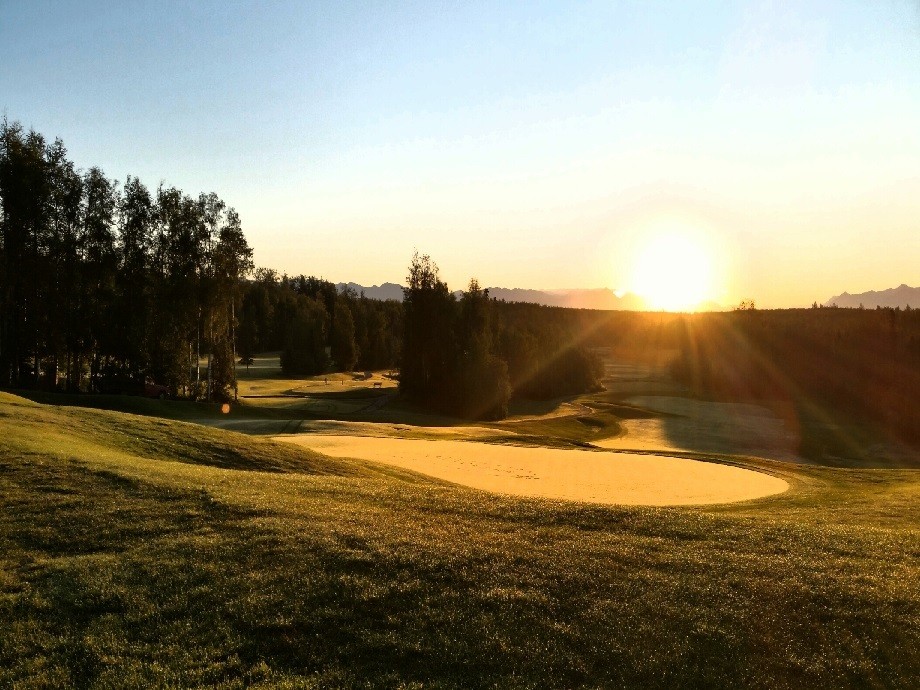
While the golf courses rest beneath the winter blanket, there is a lot happening under the surface. This is the season when we pause, reflect, and prepare, building toward another unforgettable summer at Settlers Bay Golf Course. Behind the scenes, plans are taking shape; equipment is being tuned up, greens are being protected, and new ideas are sprouting for the season ahead. Every detail we nurture now will come alive again when the snow melts and the first golfers return to Alaska’s best putting greens.
Ever wonder what’s happening beneath Alaska’s best putting greens?
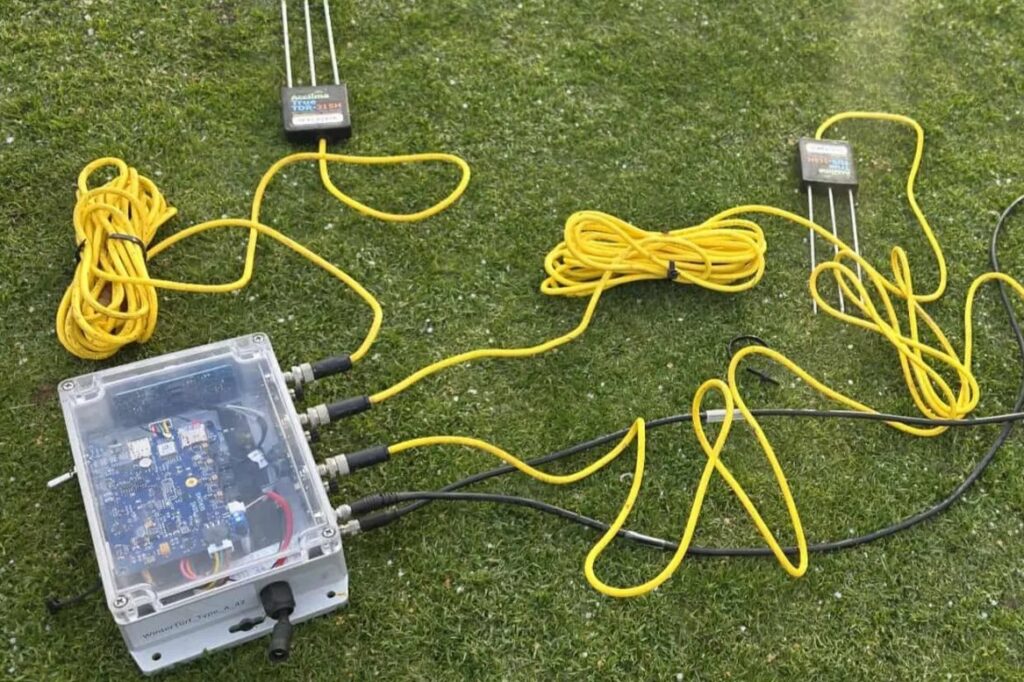
This winter, Settlers Bay is taking that question quite literally. Thanks to new technology, the course no longer has to guess – they can actually measure, see, and learn what is happening beneath its greens.
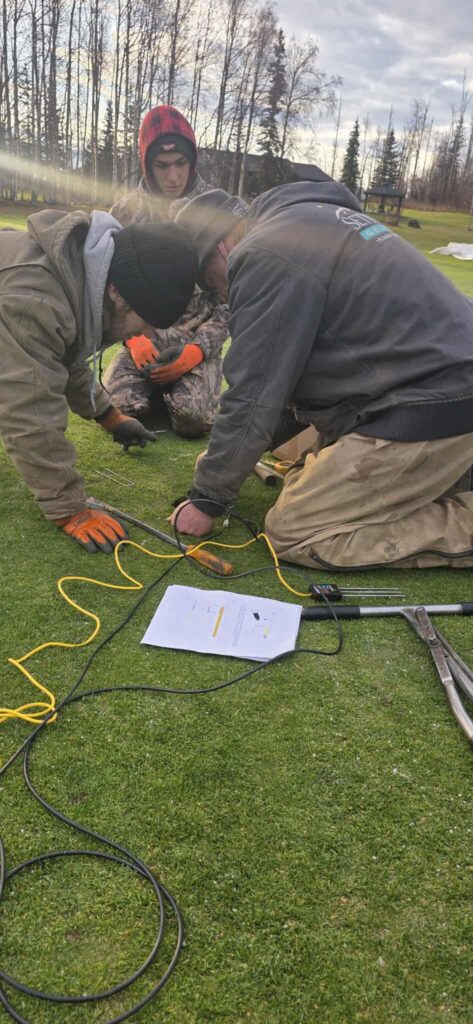
Settlers Bay GC has long been a proud supporter of the Golf Course Superintendents Association of America (GCSAA) and wholeheartedly believes in its mission to elevate the professionals who care for the playing surfaces that define the game. The GCSAA visits Alaska every two years, and during their most recent trip, the course had the pleasure of connecting with Dr. Kevin Frank from Michigan State University.
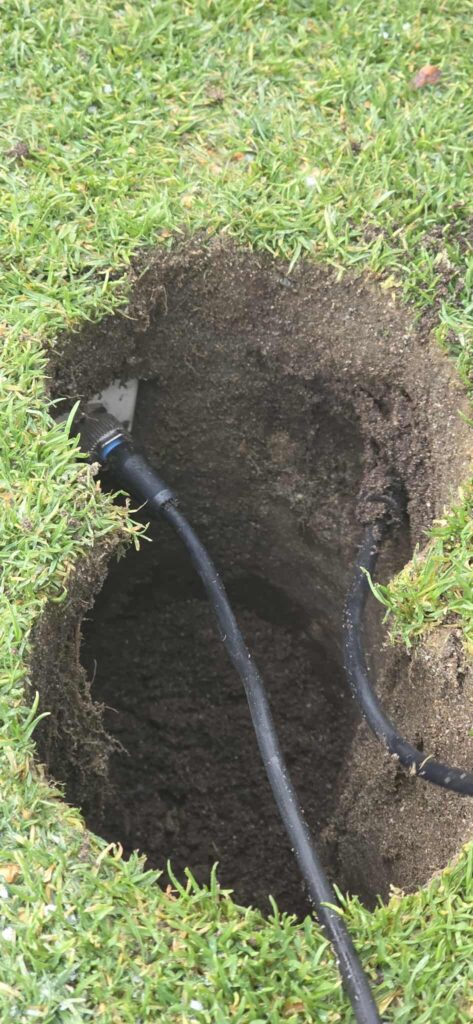
After touring the course, Dr. Frank became a strong advocate for including Settlers Bay in the University of Minnesota’s Winter Turf Project, a groundbreaking initiative studying turf survival and performance in northern climates. Through this partnership, Settlers Bay has installed sensors that continuously monitor CO₂, O₂, and volumetric water content at 1″, 3″, and 5″ depths, along with soil temperature and relative humidity. These readings gives them a constant flow of insight, helping the staff make smarter, science-backed decisions for winter turf management.

Settlers Bay also partnered with Lorabeth Catterson and Syngenta’s GreenCast Solutions, installing GreenCast Soil Sensors across several greens. These real-time sensors measure moisture and temperature, allowing them to fine-tune irrigation and cultural practices through the winter and better prepare for the months ahead.
With both technologies in place, the crew is blending experience with innovation, pairing years of hands-on intuition with precise, measurable data. Now, instead of relying solely on what they feel, they can now see when to move air beneath the green’s covers to balance CO₂ levels, know how much to irrigate during summer, and time mowing height adjustments in spring and fall based on actual soil temperatures.
It is a shift from the old-school way of doing things, where much of turf management relied on observation and instinct, to a new era of precision, efficiency, and sustainability.
As more data is gathered, and pattern developments are noted, the crew will continue to share insights throughout the season. It is exciting to witness how science is helping superintendents care for the courses we all love, revealing the incredible things happening quietly…under the surface.